The jalapeño is one of the most recognized chili peppers in the world, prized not only for its heat but also for its versatility, nutritional richness, and cultural importance. This chili pepper has made its way into cuisines globally, from Mexican salsas to American snacks, and even into health-conscious diets. Despite its fiery reputation, jalapeños are far more than just a spicy addition to meals; they are a source of essential nutrients, beneficial plant compounds, and culinary creativity. In this comprehensive article, we will explore everything about jalapeños—from their origins, growing conditions, nutritional profile, and health benefits to practical culinary applications, potential risks, and cultural relevance.
The discussion will not be limited to the spice factor alone. We will look deeply into the science of capsaicin, the main compound responsible for the heat of jalapeños, while also paying attention to how this fruit can contribute to wellness. Alongside the health and nutritional aspects, jalapeños will be examined in the context of agricultural practices, culinary adaptations, preservation methods, and evolving global demand. This approach ensures that readers gain a holistic understanding of jalapeños, making them not only informed consumers but also more appreciative of this remarkable chili pepper.
Botanical Overview of Jalapeño
The jalapeño belongs to the species Capsicum annuum, which includes several varieties of chili peppers ranging from sweet bell peppers to intensely hot varieties. Classified as a medium-hot pepper, jalapeños measure between 2,500 and 8,000 Scoville Heat Units (SHU) on the Scoville scale, a system used to quantify the spiciness of peppers. This moderate heat level is one of the reasons jalapeños are widely popular—they provide enough spice to be noticeable without being overwhelming for most people.
Physical Characteristics
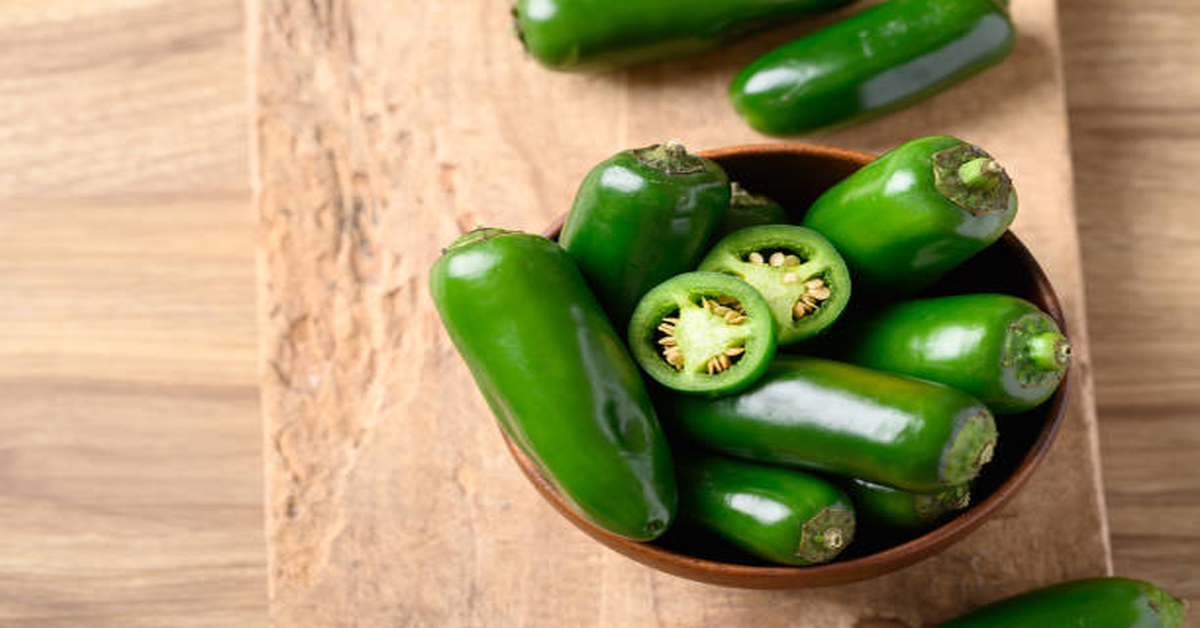
Jalapeños are typically 2 to 4 inches in length, with a firm, thick flesh and smooth skin. They are usually harvested when green but can also ripen to a bright red, which often results in a slightly sweeter taste. The green jalapeño is more commonly used fresh, while the red jalapeño is often dried or smoked to create chipotle peppers.
Growing Conditions
Jalapeños thrive in warm climates, with temperatures between 70°F and 85°F being optimal for growth. They require well-drained soil, consistent watering, and sufficient sunlight. Because of these requirements, they are predominantly grown in Mexico and the southern United States, although they are also cultivated in other parts of the world where conditions allow.
Nutritional Profile of Jalapeños
Jalapeños may be small, but they are nutritionally dense. They provide a wide range of vitamins, minerals, and beneficial compounds, while remaining low in calories, making them a great addition to a healthy diet.
Nutritional Breakdown (per 100 grams of fresh jalapeños)
| Nutrient | Amount | Benefits |
|---|---|---|
| Calories | 29 kcal | Low energy density, suitable for weight-conscious diets |
| Carbohydrates | 6.5 g | Provides energy, contributes to fiber intake |
| Fiber | 2.8 g | Promotes digestive health and satiety |
| Protein | 1 g | Plant-based protein contribution |
| Fat | 0.4 g | Negligible, heart-friendly |
| Vitamin C | 119 mg | Powerful antioxidant, supports immunity and collagen formation |
| Vitamin A | 1078 IU | Supports vision, skin health, and immunity |
| Vitamin K | 18 µg | Contributes to blood clotting and bone health |
| Vitamin B6 | 0.4 mg | Aids metabolism and nervous system function |
| Folate | 27 µg | Supports DNA synthesis and cell growth |
| Potassium | 321 mg | Regulates fluid balance, supports muscle function |
| Capsaicin | Varies | Anti-inflammatory, metabolism booster, pain-relief potential |
| Antioxidants | High levels | Protects cells from oxidative stress |
This table highlights that jalapeños are not merely a flavor enhancer; they are packed with vitamins, minerals, and bioactive compounds that offer significant health benefits.
Health Benefits of Jalapeños
1. Rich Source of Antioxidants
Jalapeños are abundant in antioxidants, particularly vitamin C and carotenoids, which help neutralize harmful free radicals in the body. Antioxidants play a vital role in reducing the risk of chronic diseases such as heart disease and certain types of cancer.
2. Supports Immunity
Thanks to their high vitamin C content, jalapeños strengthen the immune system by enhancing the production of white blood cells and improving the body’s defense against infections.
3. Weight Management and Metabolism
Capsaicin, the compound responsible for the heat of jalapeños, is known to boost metabolism by increasing thermogenesis—the process by which the body burns calories to produce heat. This effect, combined with the low-calorie content of jalapeños, makes them a useful addition to weight management diets.
4. Anti-inflammatory Effects
Capsaicin has been studied for its anti-inflammatory properties, which may help reduce pain and swelling in conditions such as arthritis. Topical creams containing capsaicin are already widely used for pain relief.
5. Cardiovascular Health
Jalapeños contribute to heart health by improving blood circulation, reducing cholesterol levels, and potentially lowering blood pressure. The fiber content also supports heart health by helping regulate blood lipid levels.
6. Digestive Benefits
Contrary to the common belief that spicy foods harm digestion, moderate consumption of jalapeños can actually aid digestive health by stimulating gastric juices and enzymes. Their fiber content also promotes regular bowel movements.
7. Anti-cancer Potential
Research has suggested that capsaicin may have anti-cancer properties by slowing the growth of cancer cells and promoting apoptosis (programmed cell death). While more studies are needed, this is an area of growing interest in nutritional science.
Culinary Uses of Jalapeños
Jalapeños are widely used in global cuisines, especially Mexican and Tex-Mex dishes. Their flavor and heat make them versatile, adaptable to both raw and cooked preparations.
Common Culinary Applications
- Fresh Consumption: Sliced into salsas, salads, and garnishes.
- Pickled Jalapeños: Popular topping for nachos, sandwiches, and pizzas.
- Stuffed Jalapeños: Often filled with cheese, meats, or grains and then baked or fried.
- Smoked Jalapeños (Chipotles): Used in sauces, marinades, and soups for smoky depth.
- Powders and Flakes: Dried and ground into seasoning.
- Fermented Sauces: Forms the base for hot sauces.
Table: Popular Jalapeño Dishes
| Dish | Description |
|---|---|
| Jalapeño Poppers | Stuffed with cheese, breaded, and fried or baked |
| Salsa Verde with Jalapeños | A fresh green sauce made with tomatillos and jalapeños |
| Jalapeño Cornbread | Spicy variation of cornbread infused with chopped jalapeños |
| Pickled Jalapeños | Preserved in vinegar, widely used as a condiment |
| Chipotle Sauce | Made from smoked jalapeños, used in marinades and dressings |
| Jalapeño Guacamole | Traditional avocado dip enhanced with jalapeño heat |
Varieties of Jalapeños
Although jalapeños are widely recognized as a single pepper type, they have different cultivars that vary in size, heat, and flavor.
| Variety | Characteristics |
|---|---|
| Early Jalapeño | Smaller, matures quickly, commonly grown in home gardens |
| Señorita Jalapeño | Hotter than standard jalapeños, with up to 8,000 SHU |
| Mucho Nacho | Larger, hybrid variety with thick flesh, great for stuffing |
| Purple Jalapeño | Unique purple color, milder heat, adds decorative appeal |
| TAM Jalapeño | Mild version developed for those preferring less heat |
Preservation and Storage of Jalapeños
Jalapeños can be preserved in multiple ways to extend their shelf life and maintain their flavor.
- Refrigeration: Fresh jalapeños last up to two weeks in the refrigerator.
- Freezing: Whole or sliced jalapeños can be frozen for long-term storage.
- Drying: Dehydrated jalapeños can be ground into flakes or powder.
- Pickling: One of the most common preservation methods, offering a tangy flavor.
- Smoking: Red jalapeños can be smoked to produce chipotles, extending usability.
Risks and Considerations
While jalapeños offer many benefits, they should be consumed with some caution.
- Digestive Irritation: Sensitive individuals may experience heartburn or stomach discomfort.
- Skin and Eye Irritation: Handling raw jalapeños can cause burning sensations; gloves are recommended.
- Overconsumption: Excessive intake may lead to gastrointestinal upset.
- Allergic Reactions: Though rare, some individuals may be allergic to capsaicin.
Cultural and Economic Significance
Jalapeños are deeply tied to Mexican cuisine and identity, often considered a symbol of national flavor. Beyond Mexico, they are integral to Tex-Mex cuisine and have become mainstream in global food culture. Economically, jalapeños are a major crop in Mexico and the United States, contributing significantly to agricultural exports and the processed food industry.
Conclusion
Jalapeños are more than just a spicy pepper. They are nutritionally rich, offering vitamins, minerals, and health-promoting compounds like capsaicin. Their versatility in cooking, cultural relevance, and potential health benefits make them one of the most remarkable members of the chili pepper family. By incorporating jalapeños into a balanced diet, individuals can enjoy not only their unique flavor and heat but also their numerous contributions to wellness.
FAQs
1. Are jalapeños good for weight loss?
Yes, jalapeños can aid weight management due to their low calories and capsaicin, which boosts metabolism and fat oxidation.
2. Can eating jalapeños cause stomach problems?
In some individuals, jalapeños may trigger heartburn or irritation, but moderate consumption is generally safe and even beneficial for digestion.
3. What is the difference between green and red jalapeños?
Green jalapeños are harvested early and taste fresh and crisp, while red jalapeños are fully ripened, sweeter, and often used for smoking into chipotles.
4. How can I reduce the heat of jalapeños in cooking?
Removing seeds and inner membranes significantly reduces spiciness, as most capsaicin is concentrated in these parts.
5. Are jalapeños suitable for children?
Mild amounts may be tolerated by some children, but due to their heat, they should be introduced cautiously and in small portions.
About the Author